Offering versatility a road bike can't match and the option to explore trails off the beaten track, it's easy to see why gravel bikes have exploded in popularity,
They're capable of handling rough stuff similar to a mountain bike without being too much of a slog to ride on the road.
But what exactly sets a gravel bike apart from road, mountain, urban and other bikes? In this comprehensive guide, we’ll cover the key features of gravel bikes to help you get your head around this important category.
Looking to buy your first or next gravel bike? Check out our comprehensive guide to the best gravel bikes as tested by BikeRadar's editorially independent expert review team.
So, what is a gravel bike?

A gravel bike is designed to enable you to ride over many different surfaces and will typically, although not always, be equipped with a drop handlebar.
The drop handlebar and sporty geometry mean you can make good progress on the road – but with wider tyres, lower gearing and stable handling, you can also head off-road with confidence.
Riding a bike designed for multi-terrain excursions means you can link together gravel routes in new ways, taking in sections of gravel roads, forest tracks, trails, byways and bridlepaths. Or you can load up your gravel bike with camping kit for a multi-day bikepacking adventure.
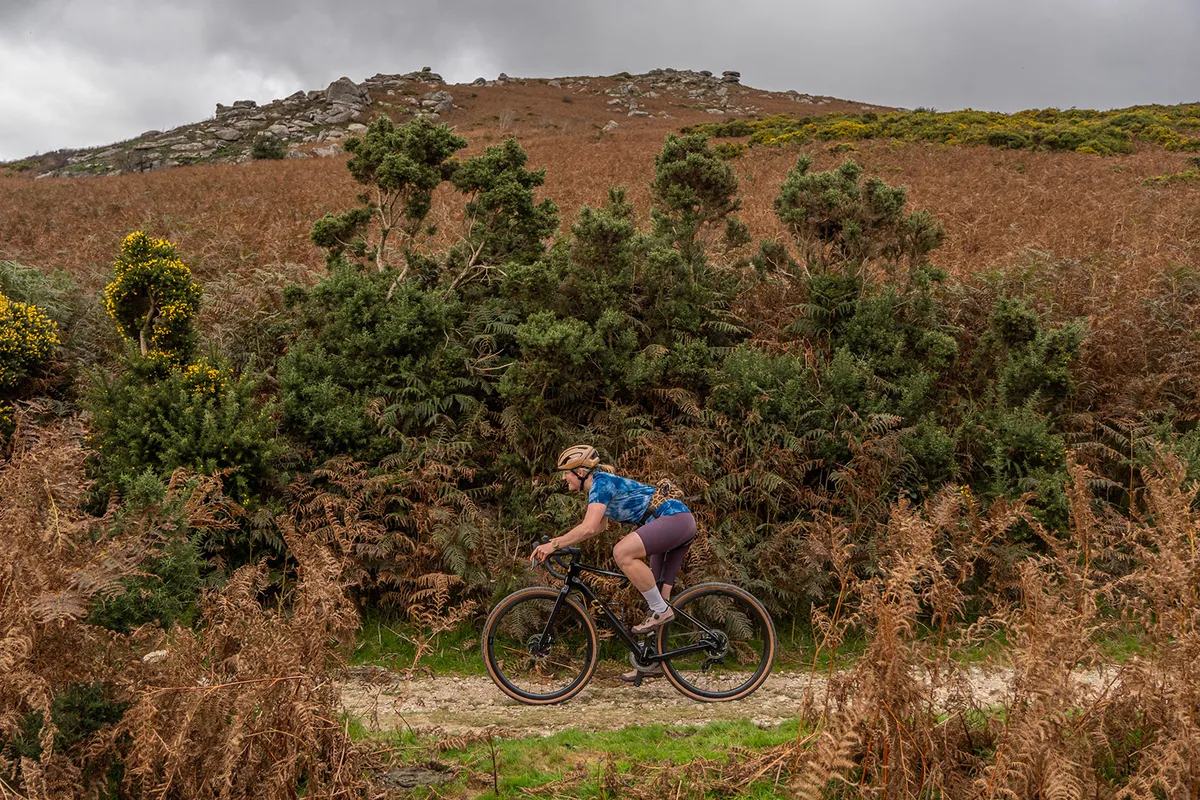
Like any bike category, a gravel bike from one manufacturer can look very different from another, or even from one model to the next. Some more race-oriented gravel bikes are pitched more towards road speed and light off-road riding, with others bearing more resemblance to mountain bikes.
Choosing the right gravel bike for you depends on the type of riding you have planned. So let’s take a closer look at the design features that define the typical gravel bike.
Gravel bike tyres

A key feature of gravel bikes is lots of tyre clearance (ie, how big a tyre you can run). With lots of room around the fork crown and rear end of the bike, you can run significantly bigger tyres than a road bike.
We've seen a trend towards more and more tyre clearance on the latest gravel bikes – 55mm is not uncommon, which isn't far off where mountain bikes were a few years ago.
The extra volume of gravel bike tyres enables you to run low tyre pressures of 40psi or less, adding comfort and traction on uneven surfaces.

Tyre choice can make a huge difference to how your bike rides, and the conditions and terrain it's best suited to.
How much tread you need depends on your intentions for the bike. Dry trails may only need a light file or diamond tread, while tyres for muddy winter tracks will have more aggressive patterns with side lugs for extra grip and traction.
Choosing the best gravel tyres for your bike ultimately means weighing up rolling resistance, grip and puncture protection.
Luckily, as far as bike upgrades go, swapping gravel tyres is relatively cheap, and a switch can completely transform the ride quality of your bike. Experimenting is fun, and that's definitely part of the draw of gravel bikes.
Gravel bike wheels
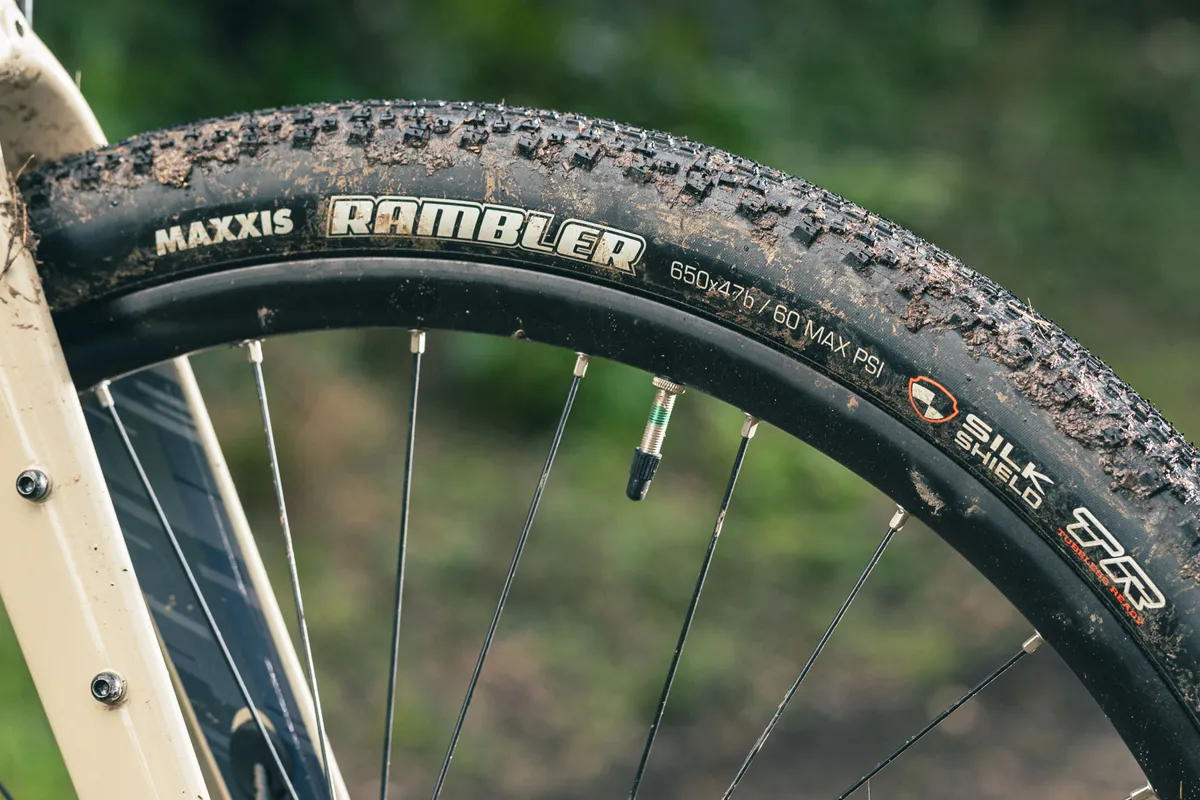
Gravel bike wheels will usually be designed to run tubeless tyres (without an inner tube). A tubeless setup enables you to keep tyre pressure down with a lower risk of pinch flats – where the inner tube gets trapped between the tyre and the rim in a normal clincher setup.
The tubeless sealant in the tyre will seal small holes caused by thorns, flints and other sharp objects, forming a seal around small cuts in the rubber before too much air escapes. It is still possible to repair a punctured tubeless tyre if the hole is too large for sealant to plug.
650b and 700c wheels are both popular, although the bigger wheel size (700c) is more common. 700c wheels are also used on road bikes, and 29in mountain bike wheels are the same diameter.
650b wheels have a slightly smaller diameter and can be shod with even wider tyres, for additional traction, while keeping the rolling diameter of the wheel plus tyre similar to a road bike, for comparable gearing and ride feel. They're a relatively uncommon sight on most mainstream gravel bikes.
Gravel bike frame materials

Like most other bikes, gravel bikes are made from a variety of frame materials. The most common options are aluminium and carbon, although there are plenty of steel and titanium options on the market, too.
Aluminium is affordable, durable and relatively lightweight, making it a good material for a budget gravel bike under £1,000 or a gravel bike under £2,000.
A carbon frame is typically lighter than an aluminium chassis. Carbon can also be engineered to fine-tune stiffness and comfort, and can offer more opportunities for aerodynamic tube shapes (yes, you can get aero gravel bikes).
Gravel bike geometry
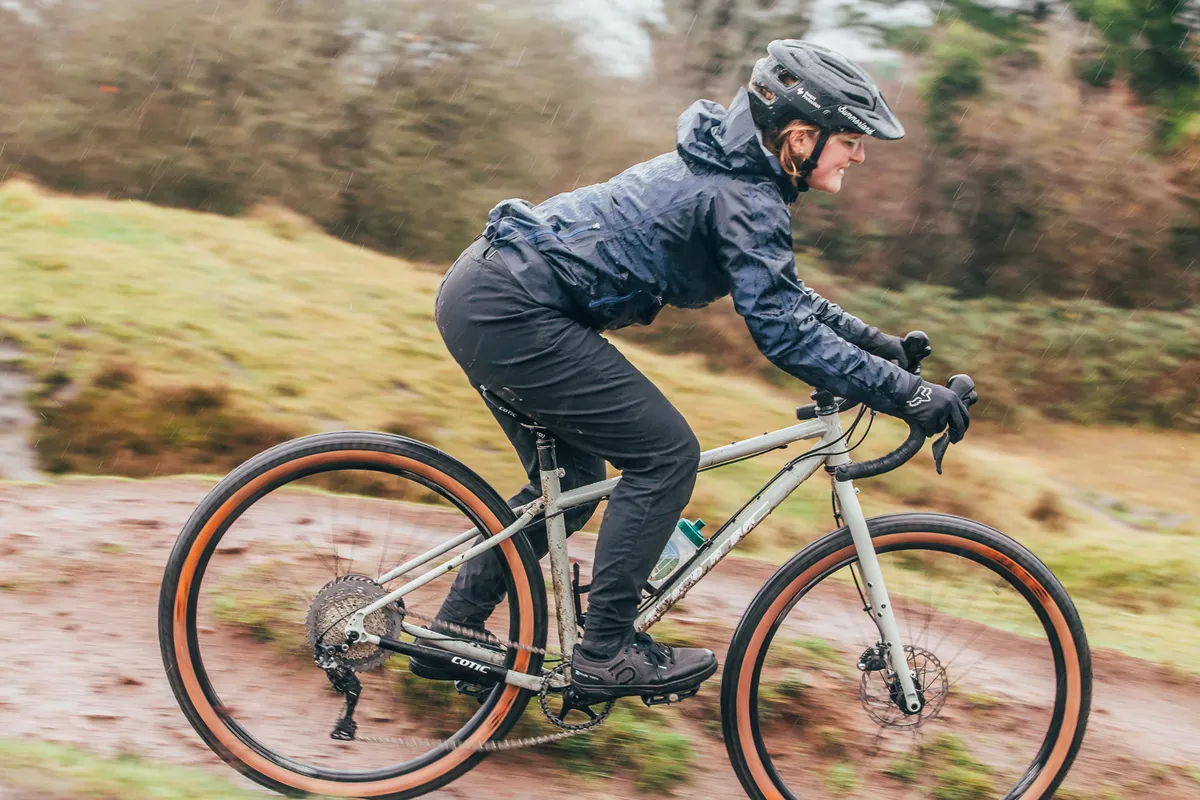
Although it looks similar to conventional road bikes, gravel bike geometry – ie, the shape of the frame, which determines how it rides and how you fit on the bike – is designed for more stable handling off-road.
That usually means a longer wheelbase and a slacker head tube angle.
A gravel bike will typically give you a more upright riding position than road bike geometry, with a longer head tube and shorter reach.
That should result in more comfort on longer rides and enable you to shift your weight around to tackle obstacles and off-road descents.
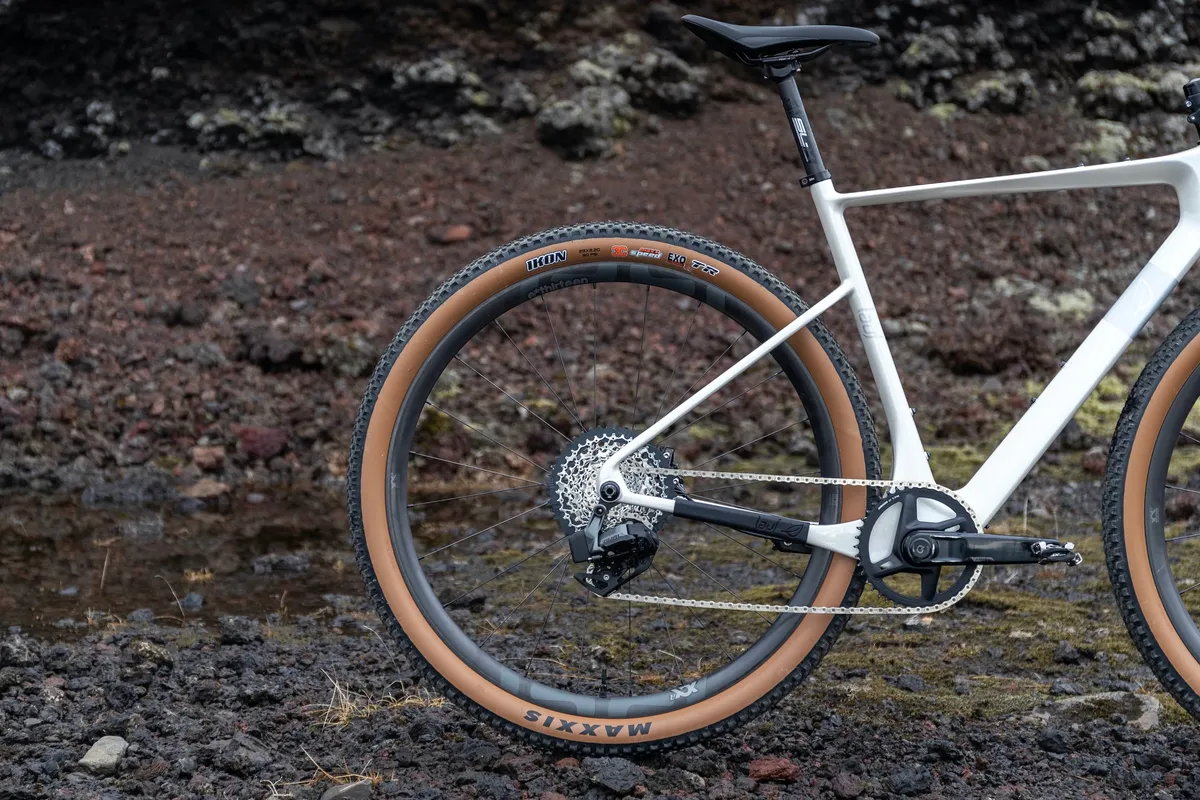
The frame’s tubes will often be shaped to cushion the ride, too, particularly in the rear triangle, where curved and flattened sections in the chainstays and seatstays will help with seated comfort.
It’s worth considering the type of terrain you’re likely to want to use your gravel bike on and choosing a bike designed to handle that.
If you intend to ride predominantly on roads, with the occasional off-road track to mix things up, you’ll probably want a bike that rides more like an endurance road bike or all-road bike.
Indeed, many of the best endurance road bikes now come with the tyres and clearance (up to 40mm, in some cases) to handle light gravel riding.
If, on the other hand, you expect to ride your gravel bike mainly on technical off-road terrain, there are machines that come with really wide tyres on smaller 650b wheels and a layout that looks more similar to mountain bike geometry.
Disc brakes
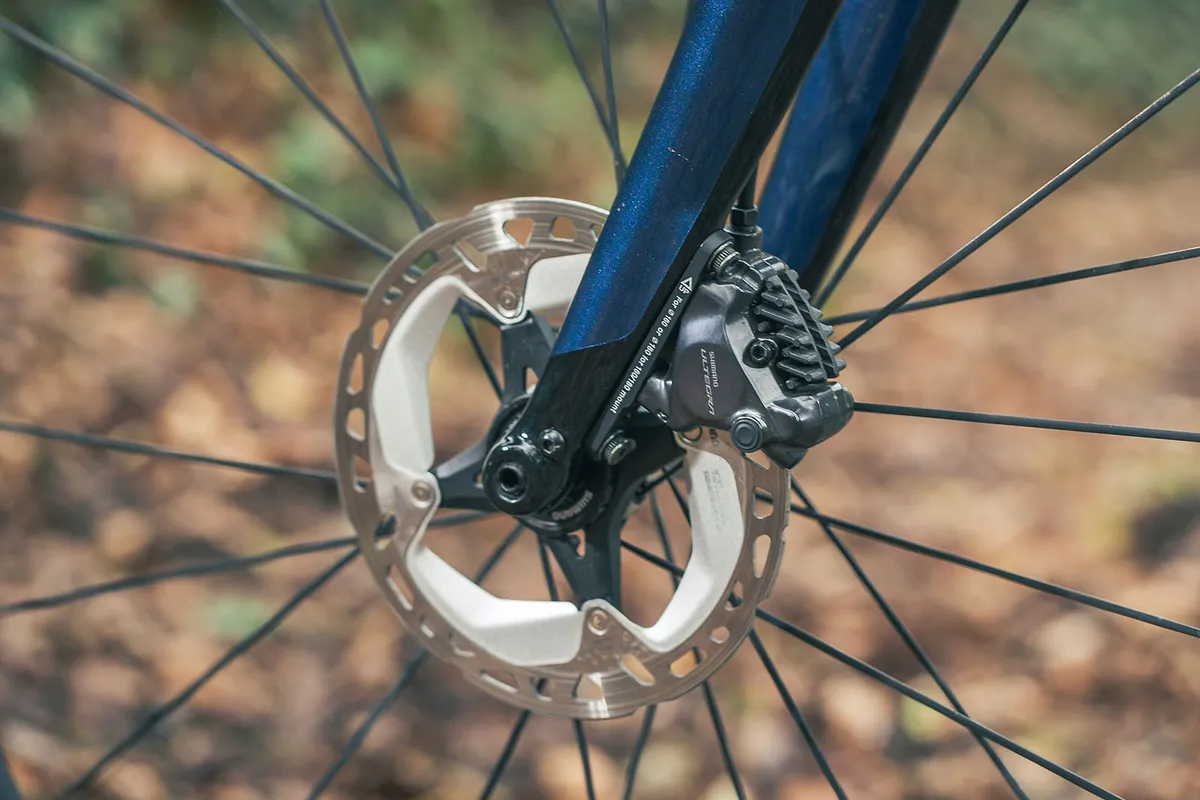
Disc brakes are now almost universal on the best road bikes and ubiquitous on gravel bikes.
In fact, the arrival of hydraulic road disc brakes for drop-bar gear shifters helped pave the way for gravel bikes. Many budget gravel bikes will be specced with mechanical disc brakes.
Disc brakes offer consistent, effective stopping, whatever the conditions – crucial for gravel bikes – and leave plenty of room for the wide tyres required for off-road riding.
While some builds feature smaller 140mm rotors to save weight, go for larger rotors if you're a heavier rider, are heading into the mountains or are loading up with bikepacking kit, for extra stopping power.
Gravel bike gearing

Gearing is key when it comes to gravel bike setup. If you’re heading off-road, you’ll need lower (easier) gears than on a road bike to tackle steep climbs and trickier terrain.
With grip reduced on loose surfaces, you can’t get out of the saddle so easily when climbing, so you need to spin away at a high cadence while seated to avoid wheel slip.
If you plan on riding your gravel bike off-road on steep or technical terrain, we’d recommend erring on the side of caution – it's better to have an easy bail-out gear and not use it, than not have a low enough gear for climbing, especially if your bike is weighed down with bikepacking bags.
Most gravel bikes now have gravel-specific gearing, with all three of the big groupset manufacturers – Shimano, SRAM, and Campagnolo – offering drivetrain options.
In brief: 1x vs 2x drivetrains for gravel
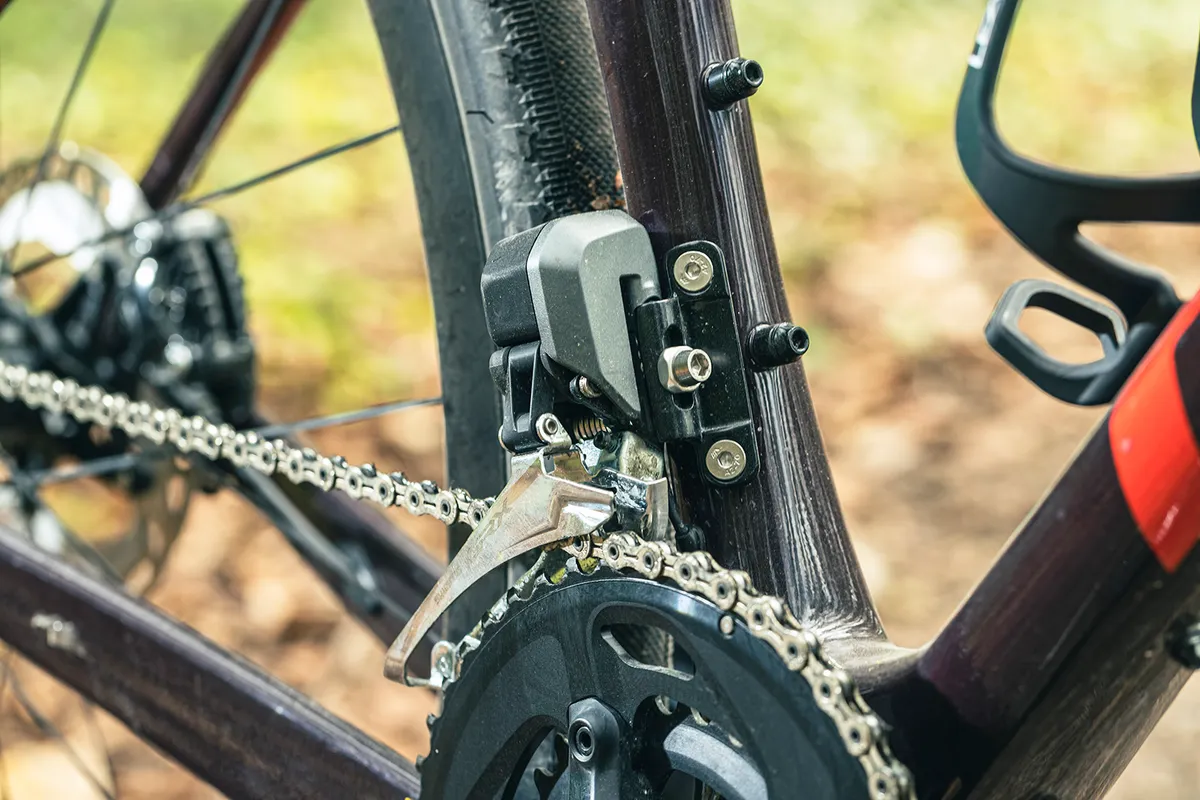
The key decision for most riders is between a 1x (with a single chainring at the front) or 2x setup (with two chainrings on a double crankset).
Removing the front derailleur and using only one chainring on a 1x makes for a simpler system, with less to go wrong.
You can get as much range (or more) as a double crankset, only with slightly larger jumps between gears on the cassette (although the latest 12-speed and 13-speed groupsets have made this less of an issue).
The chainring will typically have alternating wide and narrow teeth, along with a clutched rear derailleur. Most 2x gravel groupsets also have a clutch, but chain retention is generally better on a 1x groupset when it gets bumpy.
2x setups can have the same range as a modern 1x groupset, but with much smaller steps between gears. This makes them a good choice for gravel riders who spend more time on the road or rolling terrain, where tighter gear spacing can help with maintaining a comfortable cadence.
Bottle and cargo mounts

Gravel bikes also typically feature lots of mounts for accessories and luggage.
Expect to see:
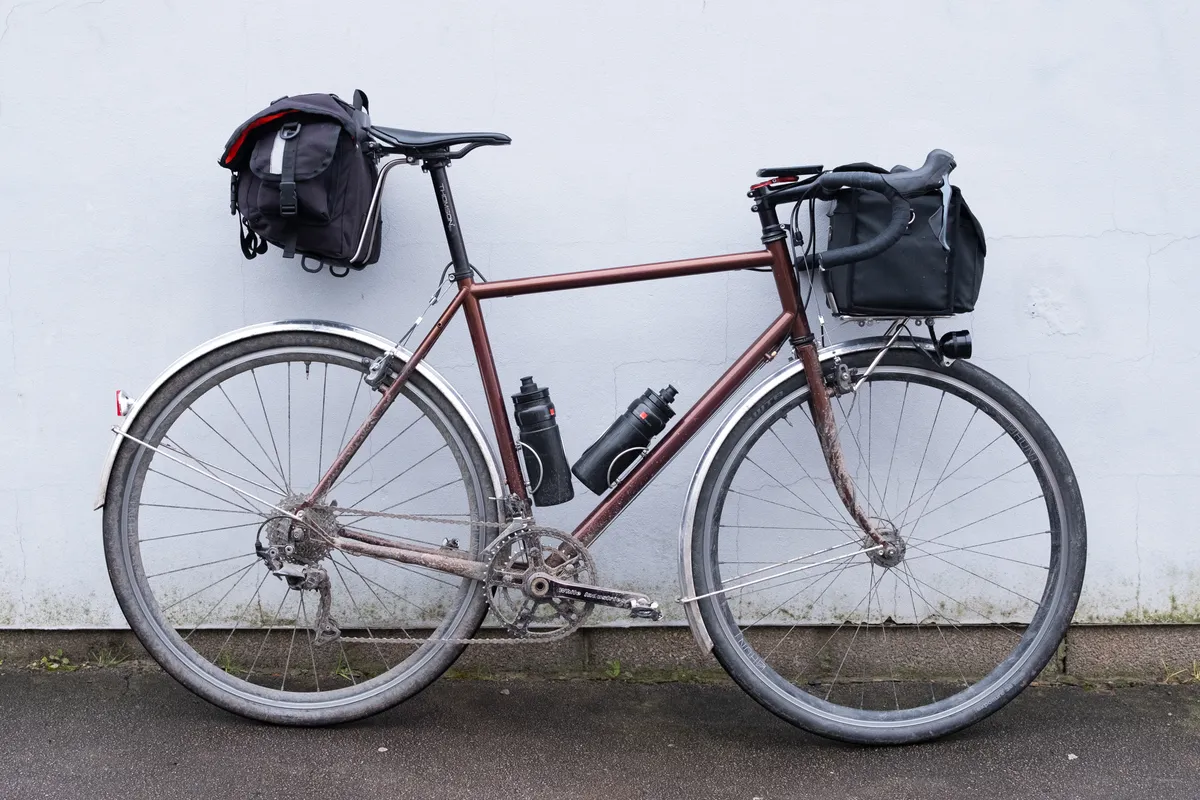
- Mounts for mudguards (fenders) – either traditional full-cover mudguards or proprietary options that fit by other clever means
- Pannier rack mounts
- Lots of bottle cage mounts on the inside of the front triangle, on the underside of the down tube and even on the fork
- Triple boss 'everything' cage mounts
- Mounts on the front of the top tube to mount a small bag
- Routing for dynamo lights
This wide array of mounts is part of what makes gravel bikes so versatile, and also makes them a great choice as a double-duty bike for all-weather cycling to work or as a wide-tyred winter road bike.
Flared handlebars

A handlebar that flares out to the drops is a common feature on gravel bikes. The flared drops provide additional stability, improving handling and control off-road, particularly if you’re descending fast.
Compared to a typical road bike handlebar, a gravel bike bar will usually have quite a shallow drop, so you don’t have to reach down too far.
That's only part of what makes a gravel bar – read our full guide to gravel bike handlebars to learn more.
Dropper posts

Although they're a relatively rare sight, gravel dropper posts may feature on some higher-spec gravel bikes – especially those aimed at the gnarlier end of the gravel-riding spectrum.
Dropper posts are usually controlled by a lever on the bar to lower or raise your saddle, enabling you to get it out of the way on steep or rough descents, or by a left-hand shifter with a 1x setup.
Gravel bike suspension
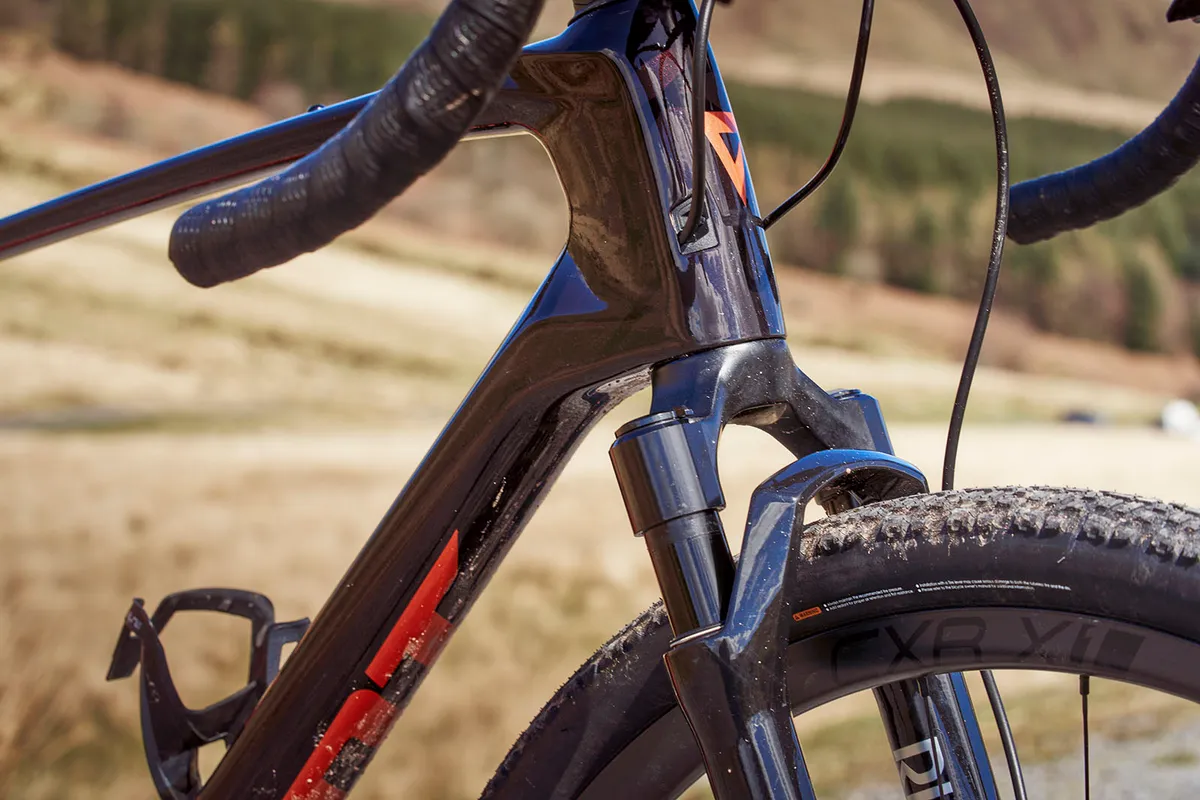
Increasingly, you’ll find gravel bike suspension, too, whether via a short-travel suspension fork or areas designed to flex, integrated into the frameset and finishing kit, such as flex stems or seatposts.
Crucially, gravel bike suspension is not designed to reduce the impact of big hits as on mountain bikes, but rather to reduce the vibration from rougher gravel roads, keeping you more comfortable for longer.
Remember, you can try changing your tyre pressures to improve comfort (and grip) on rougher terrain, too.
Opting for wider tyres at lower pressures or adding tyre inserts can be a more cost-effective way to upgrade before trying gravel bike upgrades such as suspension forks or components.
Electric gravel bikes

Electric bikes are growing quickly in popularity and that includes electric gravel bikes. A good number of electric gravel bikes are now available from a range of brands.
E-gravel bikes provide electric assistance while you pedal (up to a certain speed, when the motor will cut out) – handy when tackling steep climbs or if you want to venture further off the beaten track.

The amount of assistance you get will depend on the specific electric bike motor used, while range depends on the battery size, the terrain you're riding and the level of assistance required.
Gravel bike vs road bike
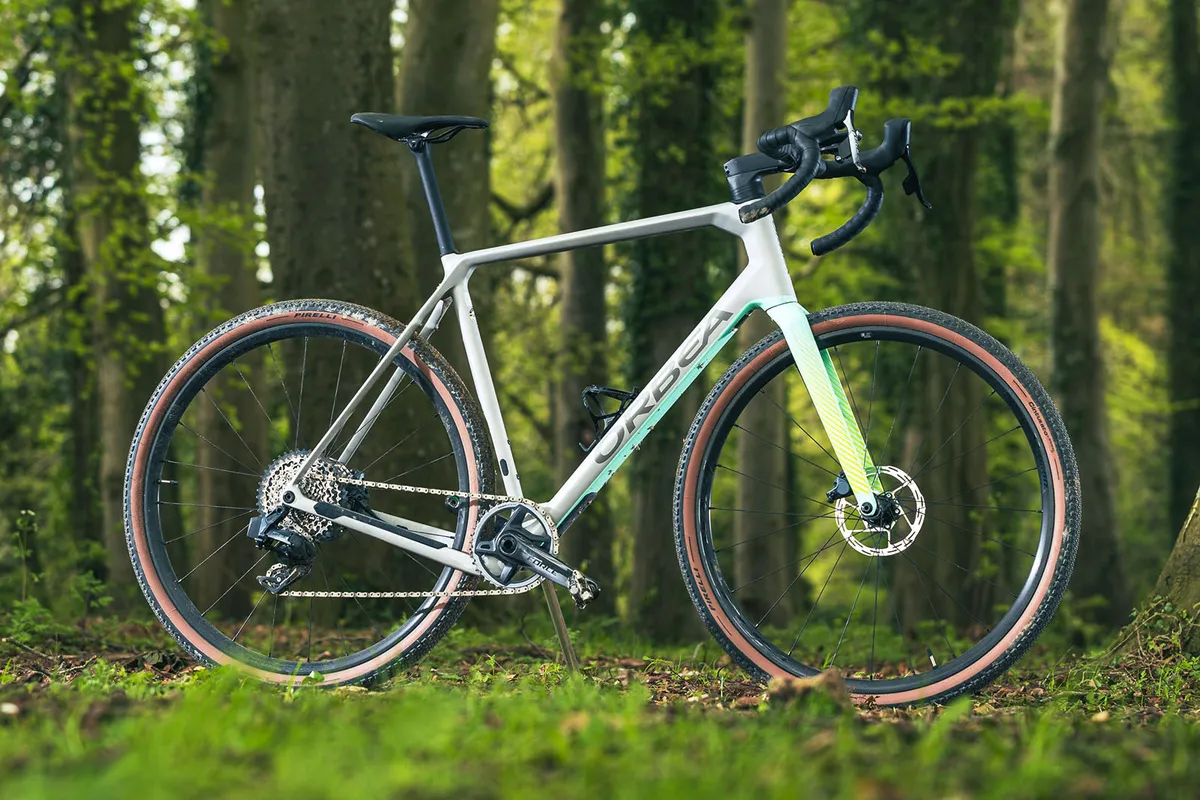
A gravel bike will typically have a less aggressive setup than a road bike.
That means you sit more upright and in a more relaxed position, for improved stability and comfort. Plus you’ll have room for wider tyres with extra tread and a wide gear range that includes lower ratios.
But despite this, when comparing the two, you’ll probably find the latter isn’t a lot slower on the road than a conventional road bike, particularly if you tailor your tyre choice towards riding on tarmac.
However, if you plan to stick to the tarmac, the speed and efficiency of a road bike will win out in the long-term.
Gravel bike vs cyclocross bike

Wide tyres, big clearance, lower gearing – these are all features of the best cyclocross bikes, so what is the difference between a CX bike and a gravel bike?
Well, whereas a gravel bike is designed for endurance riding and exploring, a traditional cyclocross bike will be geared towards racing, usually for an hour or less on tight, twisty, specially designed courses.
Someone choosing a bike for cyclocross racing will look for more aggressive geometry with faster handling. This helps you accelerate fast and steer around tight obstacles on a racecourse, rather than remaining comfortable on an all-day (or multi-day) gravel-riding epic.
A cyclocross bike's tyres will normally be narrower, to comply with race regulations (UCI-sanctioned events only permit tyres up to 33mm wide) and help cut through muddy or sandy ground.
As a result, there won't be as much clearance for tyres as on a gravel bike, and you probably won’t get as many mounting points for mudguards and other accessories.
Gravel bike vs mountain bike
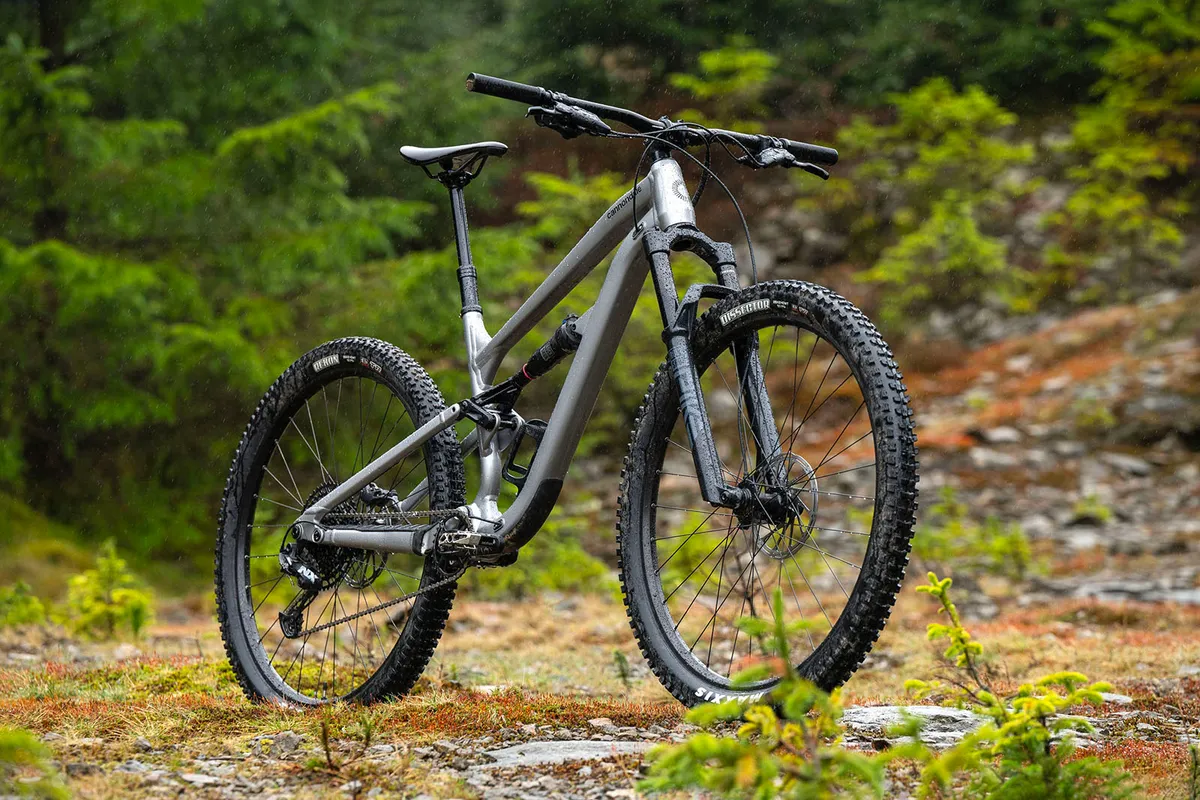
Gravel bikes borrow many features from mountain bikes, such as their geometry designed for stability, wide tubeless tyres, wide-range gearing and, occasionally, suspension features.
But the drop bars and more aggressive gearing of gravel bikes make them more enjoyable if your rides include any tarmac or faster, less technical off-road terrain.
However, while gravel bike gearing may be significantly easier than road gearing, it’s no match for the range offered by a proper mountain bike groupset.
Mountain bike tyres will also be wider and grippier, and mountain bikes will offer more suspension travel than you’ll find on even the most cushioned gravel bikes.
For light off-road terrain, a gravel bike is just as effective and will be lighter than an equivalent mountain bike, but once you start venturing onto technical trails, mountain bikes are the clear winners.
Gravel bike vs hybrid bike

Like gravel bikes, the best hybrid bikes will usually have wider tyres and lower gear ranges than a road bike. However, a hybrid will have a flat handlebar, rather than drop gravel bike handlebars.
Hybrids tend to be geared more towards road use and cycle commuting, so they’ll usually have less aggressive tread patterns on their tyres.
Without lots of mud to deal with, there may be less clearance in the frame, but you're still likely to find mounting points for mudguards.
Still, that all leads to less off-road ability, so while hybrid bikes are a good option as a commuting bike, or for leisure riding on light trails, if you do venture onto anything remotely technical, or place a greater priority on speed, you’ll have to take things more gently. In this scenario, we'd recommend a gravel bike.
Editor's note: this guide was updated on 2 April 2026 to improve clarity and structure, replace outdated images, and refresh timely reference.